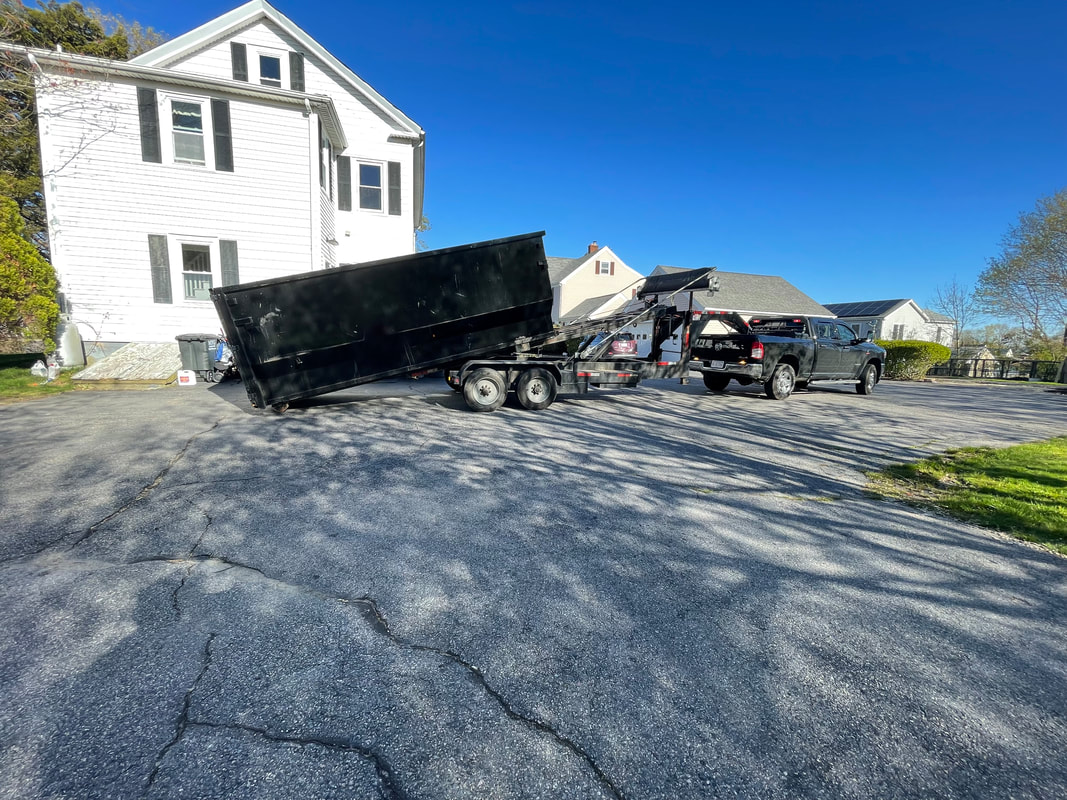
Ditch the Trips, Dump the Hassle: The Ultimate Guide to Dumpster Rental Convenience in Plymouth, MAIs waste disposal becoming a daily struggle, casting a shadow over your routine with endless landfill trips, overflowing trash cans, and the physical strain of wrestling with debris? If you're nodding in agreement, relief is within reach! Dumpster rental in Plymouth, MA has become a revolutionary solution, offering far more than just convenience. It’s a game-changer that not only saves you time and money but also keeps your stress levels in check, transforming the way you manage waste.
Why Choose Dumpster Rental in Plymouth, MA? Picture this: a robust container stationed right on your property, ready to swallow up all your project-related waste. Bid farewell to the days of cramming trash into car-crushing bags, enduring landfill lines, or grappling with environmental guilt. Dumpster rental introduces a host of benefits that redefine the waste disposal game: 1. Convenience: Dumpster rental places the power of waste management directly in your hands. The convenience of having a dumpster at your disposal, stationed on your property, minimizes disruptions and elevates the overall efficiency of your project. No longer do you need to factor in multiple landfill trips, saving both time and effort. 2. Efficiency: The simplicity of tossing all your project waste directly into the dumpster transforms the way you approach cleanup. No longer burdened by the need to sort or segregate materials, your cleanup process becomes a seamless, hassle-free endeavor. This newfound efficiency allows you to navigate your project with greater ease. 3. Time-saving: During any project, every minute counts. Renting a dumpster frees you from the tedious task of standing in long landfill queues. This allows you to focus more on the work at hand or take a well-earned break, knowing your waste management is being handled efficiently without your constant oversight. 4. Cleanliness: Keeping your workspace tidy and well-organized is key to the success of any project. Opting for a dumpster rental helps maintain a clean and structured environment from start to finish, eliminating the eyesores of overflowing bins and random debris that can undermine both the look and efficiency of your project space. 5. Eco-friendly Options: Beyond the immediate project benefits, dumpster rental services in Plymouth, MA take their commitment to the environment seriously by providing options that are kind to the planet. Their efforts in promoting responsible waste disposal and supporting recycling programs showcase a strong commitment to sustainability. When you choose these eco-conscious services, you're not just making a decision that benefits your project; you're also taking a step towards reducing your environmental impact. Choosing the Right Dumpster Size For Your Needs Before setting off on your journey to tackle waste, selecting the appropriate dumpster size is a vital first step. Fear not, for this guide will illuminate the path to perfect dumpster selection: 1. For Tiny Trash Titans: 10-yard dumpster: Ideal for small cleanouts, yard waste disposal, or minor home renovations. Think attic decluttering, spring cleaning sprees, or tackling overgrown gardens. This little warrior packs a punch for smaller projects. 2. For Mid-Sized Maestros: 15-yard dumpster: Perfect for medium-sized renovations, landscaping projects, or roof replacements. Imagine bathroom remodels, deck removals, or taming unruly shrubbery – this dumpster handles it all with ample space and efficiency. 3. For Demolition Dynamos: 20-yard dumpster: Suitable for large home renovation projects, demolition work, or major cleanouts. Think kitchen overhauls, garage clear-outs, or post-construction debris – this dumpster is your heavy-duty hero. 4. For Waste-Wrangling Wizards: 30-yard dumpster: Ideal for extensive construction projects, commercial cleanouts, or whole-house decluttering. Picture large-scale construction sites, business relocations, or epic home decluttering adventures – this dumpster is your waste-annihilating champion. Finding the Best Dumpster Rental Service in Plymouth, MA Picking the right dumpster rental service in Plymouth, MA can make a huge difference in how smoothly your project runs, be it a home makeover, a construction job, or a major cleanup. With so many choices out there, it's crucial to find one that not only meets your project's demands efficiently but also cares for the environment. Here are some tips to help you navigate through the options and choose a service that hits all the right notes: 1. Prioritize Reputation Before you commit to a dumpster rental service, take some time to explore what previous customers have to say. Online reviews and testimonials can be incredibly revealing, offering deep insights into the company's dependability, the quality of customer service, and the overall satisfaction of those who have used their services. A company with consistently positive feedback will likely offer the seamless and hassle-free service you seek. 2. Compare Pricing Structures Budget is a crucial consideration. While it's tempting to go for the least expensive option, it's important to remember that lower cost doesn't always equate to better value. Spend some time comparing prices among different dumpster rental services in Plymouth, MA. Don't just look at the upfront costs; be sure to inquire about any potential hidden fees, like charges for exceeding weight limits, late return fees, or extra costs for disposing of certain types of waste. A trustworthy company will be upfront about all its fees, ensuring you have a clear understanding of the total cost. 3. Understand Permit Requirements The location of your project could mean you'll need a permit to place a dumpster on public property or even just outside on the street. Not following the local regulations can result in fines and other headaches. Choose a dumpster rental company that knows the ins and outs of Plymouth's permit requirements. A company that's knowledgeable in this area will help you navigate the permitting process, ensuring you're in full compliance with local laws and giving you one less thing to worry about. 4. Evaluate Waste Disposal Practices In our increasingly eco-aware society, the way a company approaches waste disposal is more important than ever. Seek out a dumpster rental service that prioritizes green practices, from recycling to sustainable waste management. Companies that are dedicated to reducing their environmental footprint not only support your efforts to be more sustainable but also demonstrate a commitment to high-quality, ethical business operations. By paying close attention to these critical areas—company reputation, clear and fair pricing, assistance with permits, and a focus on eco-friendly waste management—you're setting yourself up to find the most suitable dumpster rental service. Choosing the right partner is crucial; it can greatly influence the efficiency, legal compliance, and eco-friendliness of your project. Smooth Dumpster Rental Experience: Key Tips 1. Clear Labeling is Crucial It's essential to clearly label your dumpster as soon as it's on-site, specifying whether it's for "trash only," "construction debris only," or another specific type of waste. This straightforward action can significantly reduce the risk of contamination by preventing the disposal of inappropriate materials, helping you steer clear of any potential extra charges. 2. Strategic Placement Think carefully about where to place your dumpster. Choosing the right spot for your dumpster is key. It should be placed where it's easy for you and your team to toss in waste, but also where the rental company can easily access it for pickup. Finding this sweet spot can significantly cut down on the time and energy you spend managing waste during your project. 3. Be Mindful of Weight Limits Dumpsters fill up faster than you might expect, so it's important to monitor the weight of what you're throwing away. Overloading the dumpster beyond its capacity can incur additional fees. To avoid any surprises, it's a good idea to talk about the weight limits and associated costs with the rental company before you start filling it up. 4. Timely Pickup Coordination As you near the end of your project, scheduling the dumpster's removal becomes a crucial task. Work with the rental company to set up a pickup time that matches the conclusion of your project. Ensuring the dumpster is removed promptly is key to wrapping up your work smoothly, while also keeping your project site clean and safe. Beyond Convenience: The Environmental Impact Opting for a dumpster rental in Plymouth, MA, goes beyond just adding convenience to your project. It's also a move towards more responsible waste management practices. The area's reputable rental companies are dedicated to environmental protection, making sure that recyclable materials are properly sorted and hazardous waste is safely disposed of. By choosing a company with a strong commitment to these environmental practices, you're playing a part in making the planet a healthier place for everyone. Embrace the Dumpster Advantage! Renting a dumpster for your project transforms the entire experience. It's not just the obvious benefits of convenience and saving money; it's also about making a positive impact on the environment. This decision can greatly lessen the ecological impact of your project. So, when you're mapping out your next endeavor, think about the ease and effectiveness a reputable dumpster rental service can bring. It's more than just waste removal—it's about managing it mindfully and responsibly. Ready to streamline your project with hassle-free waste management? Get in touch with us for your dumpster rental needs!
0 Comments
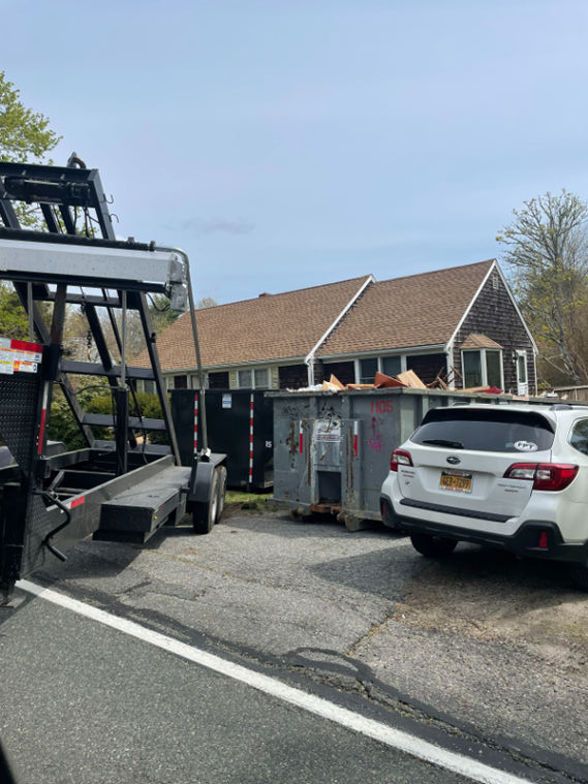
Optimizing Safety and Cleanliness with DumpstersA construction job site that prioritizes safety and cleanliness is a more productive and secure environment. Dumpsters are key players in maintaining these standards. Explore how you can effectively use dumpsters to ensure your construction site is safe, clean, and organized: Achieving a construction job site that is both safe and clean is essential for productivity and worker well-being. Dumpsters are indispensable tools for maintaining these standards. Here's how you can effectively utilize dumpsters to keep your construction site safe, clean, and organized: Construction sites can be bustling hubs of activity, but that doesn't mean they can't be safe and tidy. Dumpsters are the unsung heroes of construction site management, helping you maintain order and cleanliness while prioritizing safety. Efficient Waste Disposal:
Reducing Trip Hazards:
Proper Material Storage:
Hazardous Material Control:
Promoting Cleanliness:
Ensuring Compliance:
Improving Workflow:
Enhancing Safety Culture:
By integrating dumpsters into your construction site management plan, you can effectively enhance safety, cleanliness, and overall efficiency, ultimately leading to the successful completion of your project. Plymouth Dumpster Rental NBD by Precision Disposal will help you on your Construction dumpster rental needs. In Our location services at Cape Cod Massachusetts, Cape Cod Construction Dumpster Rental are please to assist you. Call Us today. Plymouth Dumpster Rental NBD by Precision Disposal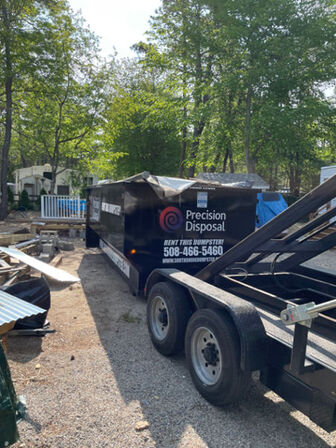
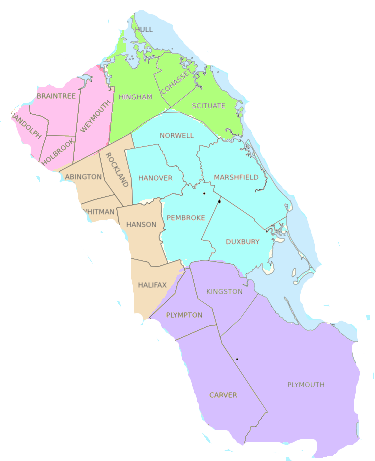
Residential Dumpster Safety Guide: Protecting Your Family and PropertySafety is paramount when you rent a dumpster for your residential project. Properly operating around a dumpster and loading it safely not only ensures your well-being but also guarantees a smooth waste disposal process. Here are critical safety tips to help you achieve this: 1.Optimal Dumpster Sizing: Select a dumpster size that suits your project's needs. It's better to choose a larger size if you're unsure to avoid overfilling. 2. Clear the Area: Prior to the dumpster's arrival, clear the surrounding area of obstacles, vehicles, and tripping hazards. 3. Safety Gear is Essential: When working near the dumpster, always wear the necessary safety gear, including gloves, sturdy footwear, and eye protection. 4. Prioritize Heavier Items: Load the dumpster by placing heavier items at the bottom, ensuring even weight distribution to prevent imbalances. 5. Handle Hazardous Materials Carefully: Do not dispose of hazardous materials like chemicals, paint, or electronics in the dumpster. These require special handling and disposal methods. 6. Avoid Overloading: Never overfill the dumpster; items should not protrude over the top or hang over the sides, as this can be dangerous during transportation. 7. Lid Safety Measures: Exercise caution when opening and closing the dumpster lid to prevent injuries. Keep your hands and body away from the lid's path. 8. Secure the Area for Children and Pets: Maintain a safe distance between children, pets, and the dumpster and work area to prevent accidents. 9. Communicate with the Rental Company: If you have any questions or concerns about dumpster safety or loading guidelines, do not hesitate to reach out to the rental company. They can provide valuable assistance and guidance. By diligently adhering to these safety tips, you can significantly improve the safety of operating around a dumpster and loading it for your residential project. Plymouth Dumpster Rental NBD by Precision Disposal will help you on your dumpster rental needs. In Our location services at South Shore MA, South Shore Dumpster Rental are please to assist you. Call Us today. Plymouth Dumpster Rental NBD by Precision Disposal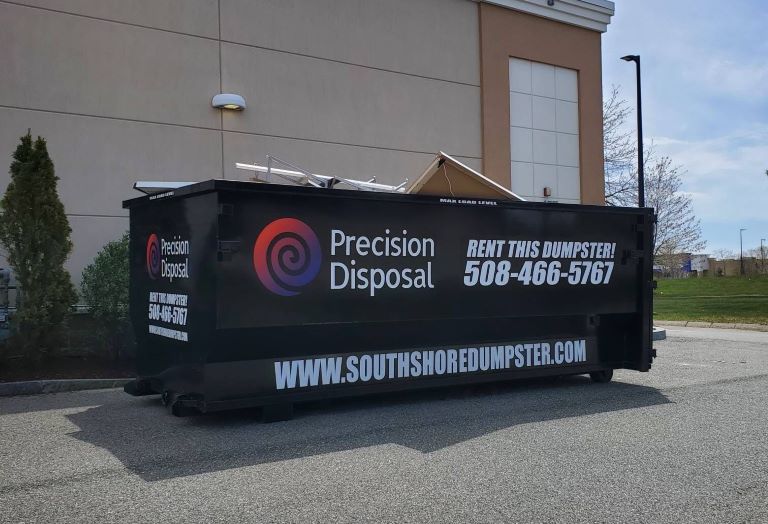 Simplify Junk Removal with Dumpster RentalsAre you tired of the hassle and stress that often comes with junk removal? It's time to simplify the process with reliable dumpster rentals. When it comes to effortless junk removal, renting a dumpster can make a world of difference, especially in South Shore MA. Precision Disposal is here to help you make this transformation in your junk removal experience. Simplify Your Junk RemovalTackling junk removal on your own can be a time-consuming and physically demanding endeavor. You have to load your vehicle, drive back and forth to the disposal site, and deal with the logistics of disposing of different types of waste. It's a headache that most of us would rather avoid. That's where dumpster rentals come to the rescue. Renting a dumpster is a straightforward and efficient solution to your junk removal needs, especially in South Shore MA. Choose the Right SizeWhen you rent a dumpster, you have the flexibility to select the perfect size for your project. Whether you're cleaning out your garage, renovating your home, or handling a large construction job, there's a dumpster size that fits your needs. Precision Disposal offers various dumpster sizes to accommodate your specific project requirements. Convenient DeliveryPrecision Disposal, your local dumpster rental service in South Shore MA, will deliver the dumpster right to your location, whether it's your driveway, construction site, or anywhere else you need it. This eliminates the need for you to transport your junk or debris elsewhere, making the process even more convenient for you. Load at Your Own PaceOnce the dumpster is on-site, you can take your time filling it up. There's no rush or strict timetable, allowing you to work at your convenience. This is especially helpful for larger projects that may take several days, giving you the flexibility you need. Easy Pickup and DisposalWhen you're finished loading the dumpster, simply contact Precision Disposal, and they'll schedule a pickup. They'll then responsibly dispose of the contents, saving you the trouble of multiple trips to the landfill. Their environmentally friendly practices ensure that your waste is disposed of properly. Cost-Effective and AffordableRenting a dumpster from Precision Disposal is often more cost-effective than other junk removal methods, especially when you factor in the time and effort saved. Precision Disposal offers affordable dumpster rental services in South Shore MA and nearby towns, making it a cost-efficient solution for your junk removal needs.
In conclusion, renting a dumpster from Precision Disposal is the hassle-free solution to junk removal in South Shore MA. It simplifies the process, saves you time and energy, and ensures that your junk is handled responsibly. Say goodbye to the stress and hello to effortless junk removal with reliable dumpster rentals. Whether you're renting a dumpster in Plymouth MA or anywhere in South Shore, Precision Disposal has you covered. 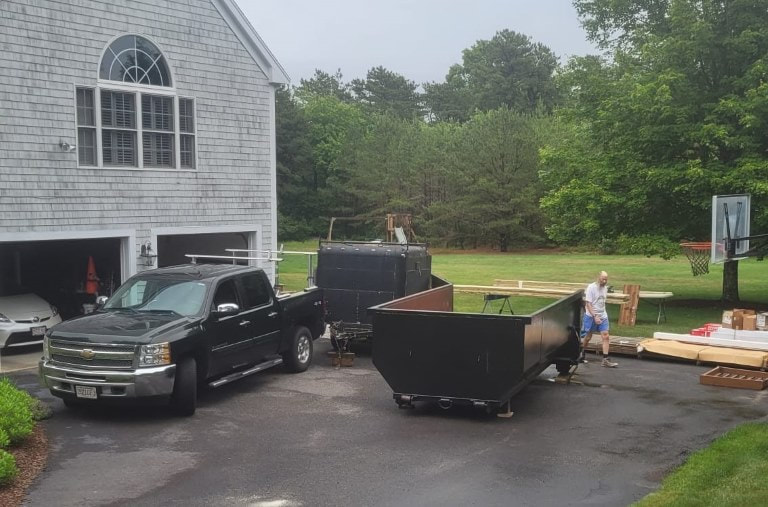 Choosing the Perfect Dumpster SizeSelecting the right dumpster size is essential for efficient waste disposal. By following a step-by-step process, you can ensure that you choose the perfect dumpster size that meets your project's needs. Let's walk through the process together.
Power of Shopping Local and Dumpster Rental Companies Edition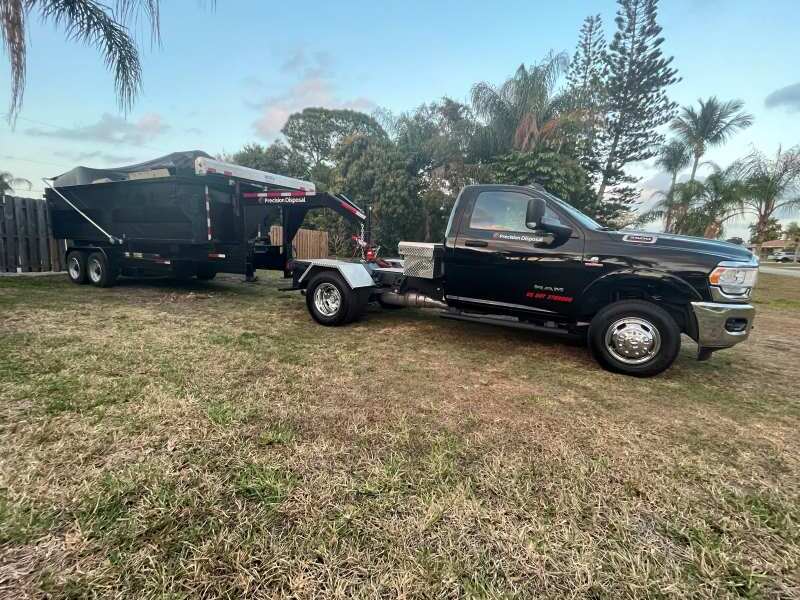 When it comes to renting a dumpster, shopping local can have a significant impact. Choosing a local dumpster rental company goes beyond convenience, offering unique advantages that benefit both you and your community. Let's explore why shopping local is the way to go.
Mastering the Art of Dumpster Rental: Essential Tips for a Smooth Experience1) Determine the size of the dumpster you need:
|